
During quarantine, the only people in your house are you and your family, and that can be really boring. Especially for teachers who have just come to Baku, and are living in bland peach apartments. Plants, however, can give a splash of colour to any apartment or house. This is the beginner’s guide to new plant owners, from one plant parent to new ones.
When most people think about plants, many may think about flowers. While these do count, there are a lot beyond the pretty tulips and roses. But where can you get plants? How do you water them? Do you need garden space? How do I transport plants to my permanent home?
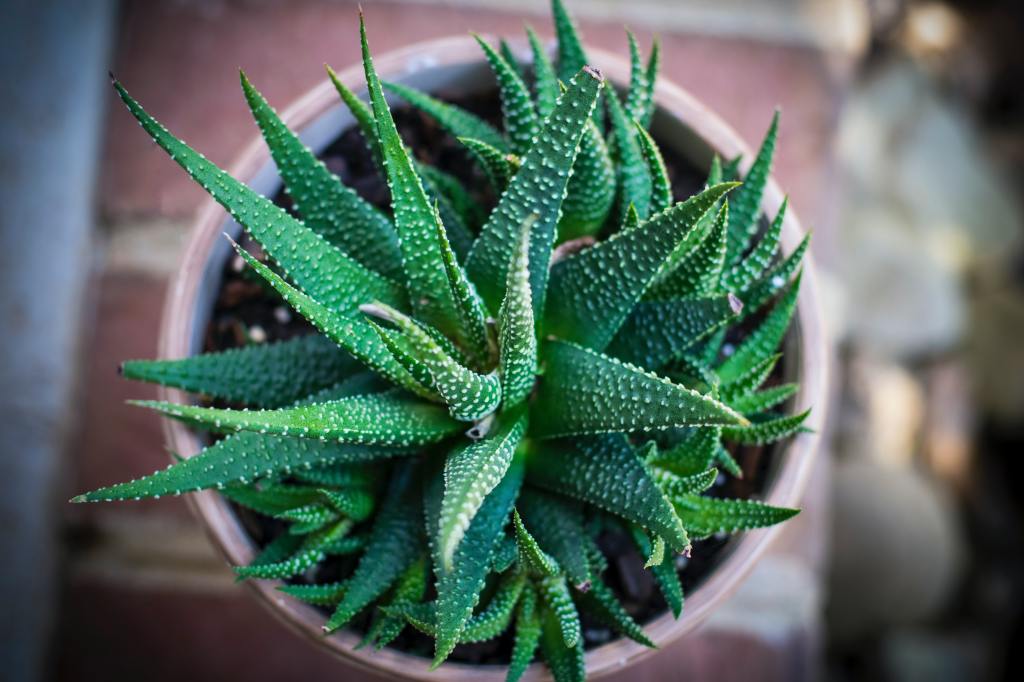
“Sederik has several plant vendors, there are a number of nurseries along the road to the airport, and there is a flower shop called Flora with a couple locations in Baku,” says Clotho Hasebe, a registered landscape architect with a masters degree in landscape architecture. She says getting to Sederik and plant nurseries need transportation, so an alternative option is to use plant clippings. “If you have a friend or neighbour with houseplants, simply ask if you may take a cutting, then place it in water and wait for the roots to emerge. When the cutting has developed an inch or so of roots, transfer it to a pot with soil and let it grow. Easy plants to start from cuttings include spider plant, peperomia, jade plant, and philodendron. You can also root herbs from the grocery store or bazaar the same way. Rosemary, basil, and coriander all root easily in a glass of water.”
Some of the first things you need to know about getting a plant is some of the basics. When to water them, what soil to use, and what they look like when they are sick or dying. “Different plants have different water requirements. Some, like cactus and succulents, require very little water. Others require more. It’s important to research the water needs of your plants for their best chance of thriving.” When potting your plants, sandy loam is a good soil for a majority of plants. For teachers who don’t have enough garden space, that’s not a problem. “You can grow outdoor plants in even the tiniest of spaces, like a window box or recycled coffee can,” Hasabe says. When moving house, make sure to have the plant snugly put in a box in the passenger seat. “To safely transport plants in a car, secure the plant in a box or snugly set it on the floorboard behind the driver’s or passenger’s seat.”
What if a plant gets sick? Hasabe says that the leaves will wilt, become discoloured and sometimes bugs will appear. “If a plant is sick or dying, you may be able to save it if you know the cause of the problem. For example, if you’re watering it too much or not enough, you can change the amount of water you’re giving it. If the plant has pests, you can attempt to get rid of the pests using organic or chemical measures. Sometimes though, the plant cannot be saved and it’s best to dispose of it.”
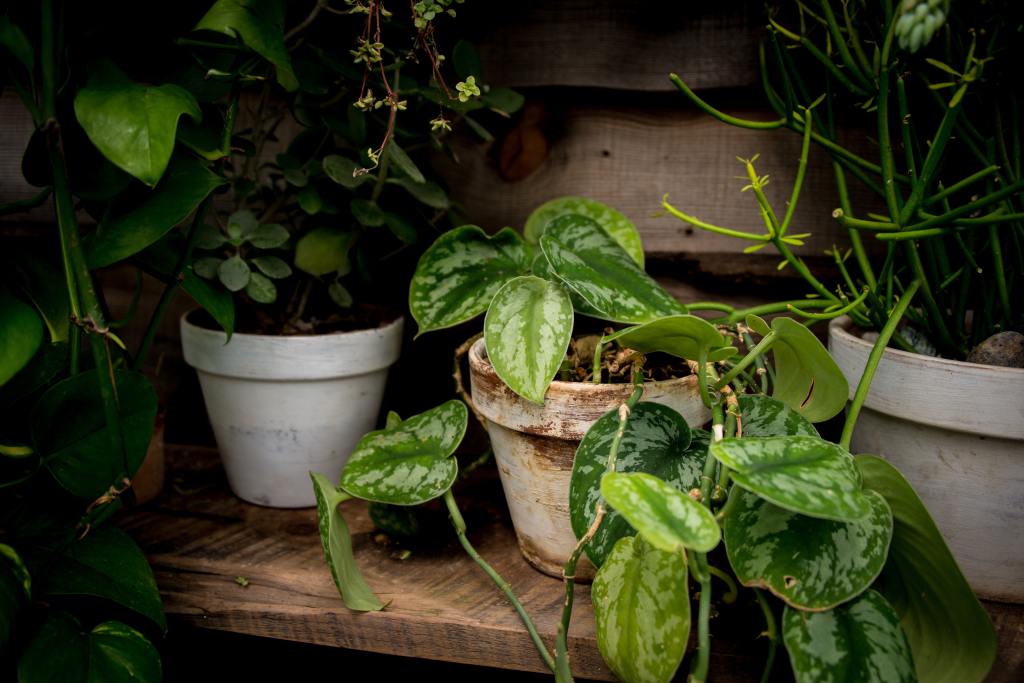
No matter how much we love our plants, there are harsh realities we have to face. Such as moving to another country. “Plants do not travel easily. They are delicate and can be damaged during the moving process. Additionally, most countries generally have restrictions on plant imports.” The best thing to do when moving is finding someone who can take care of the plants for you. Mainly, if a plant is grown in Baku, it stays in Baku.
Hasabe recommends the following resources for researching plants:
- Royal Horticultural Society: www.rhs.org.uk
- Dave’s Garden: www.davesgarden.com
Whether you’re looking to brighten up your house or just looking for something to care for, plants are a great place to start, even in the midst of a pandemic.

 Welcome to the TMC